Source Pet Tennis Ball for Dogs, Training, and Outdoor Play
Compare 21 pet tennis ball options from verified Chinese manufacturers. Buyers can evaluate materials like rubber and PU, certifications such as CE and RoHS, and customization features for large dog breeds and outdoor activities; compare the available evidence and request quotations based on your requirements.
Key considerations
Products List


Comprehensive Sourcing Guide
Pet Tennis Ball Sourcing Guide
Sourcing pet tennis balls requires balancing durability, safety, and cost-effectiveness for large dog breeds. Buyers must evaluate material composition, specifically rubber or polyester blends, to ensure the product withstands aggressive chewing while remaining non-toxic. The observed market includes options ranging from simple rubber constructions to complex designs with chemical fiber wool outer layers, each offering distinct performance characteristics for outdoor activities.
Procurement teams should verify key commercial terms such as minimum order quantities and lead times before committing to volume purchases. Listings indicate MOQs starting at 500 units, with sample times averaging four to ten days. Understanding these baseline constraints helps in planning inventory cycles and managing cash flow, ensuring that the selected supplier can meet delivery expectations without compromising on quality or safety standards required for pet products.
Product Scope and Observed Listing Signals
The current market offers diverse pet tennis balls tailored for large breeds like Labradors and Golden Retrievers. Products are characterized by features such as bite resistance, eco-friendly materials, and portability, with some designs being inflatable for easy storage. Observations show materials ranging from pure rubber to PU and polyester blends, indicating a spectrum of durability levels. Buyers should assess whether the specific texture and bounce height meet the play style of their target pet demographic.
Listing signals reveal significant variation in packaging and branding capabilities. Some suppliers offer poly bag packaging with logo printing, while others provide standard export cartons containing one hundred pieces. Customization is widely available, allowing for tailored branding through silk printing or simple color imprints. This flexibility supports marketing strategies but requires clear communication of design specifications to avoid discrepancies between the sample and the final bulk production run.
Technical Specifications to Verify
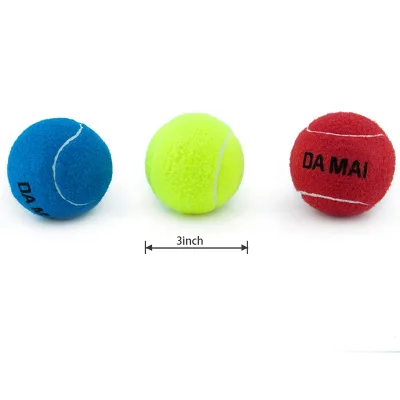
Technical verification begins with material composition and physical dimensions. Buyers must confirm whether the ball is constructed from rubber, PU, or a hybrid of polyester and rubber, as this dictates longevity and safety. Standard sizes observed include diameters of 6.5 cm, 7 inches, and 9.5 inches. Ensuring the correct size is critical for large dogs, as smaller balls may pose choking hazards, while oversized balls might be difficult to retrieve during fetch games.
Performance metrics such as rebound height and weight are equally important for functional assessment. Some products specify a rebound height of 80 cm, which indicates high elasticity suitable for active play. Weight variations, such as 60g or 70g, affect the ball’s flight trajectory and ease of carrying for the pet. Procurement teams should request detailed specification sheets to verify these attributes, ensuring the product aligns with the intended recreational or promotional usage scenarios.
Compliance and Safety Documentation
Safety compliance is paramount when sourcing pet products, particularly those involving ingestion risks. Buyers must verify that all materials are non-toxic and pet-safe, adhering to recognized safety standards. Documentation should explicitly state compliance with ASTM and CE certifications, ensuring the product meets rigorous chemical and physical safety requirements. This verification protects both the end consumer and the brand from liability associated with harmful substances or structural failures.
Certification labels such as RoHS and ENASTM further validate the product’s adherence to international regulatory frameworks. Procurement teams should request copies of these certificates to confirm their validity and scope. Additionally, verifying that the product origin is clearly stated, such as China or specific provinces like Anhui, aids in traceability. Clear documentation ensures that every batch produced meets the same safety benchmarks, maintaining consistency across large orders.
Cost Drivers and Commercial Terms
Cost structures are influenced by material choices, customization levels, and order volumes. Basic rubber balls may offer lower unit costs, while complex designs with wool linings or custom logos incur higher premiums. Minimum order quantities typically start at 500 pieces, with some suppliers requiring up to 1000 pieces for certain models. Understanding these thresholds helps buyers optimize order sizes to achieve better pricing tiers without overstocking inventory.
Lead times and sample availability significantly impact procurement planning. Standard lead times are approximately ten working days, with sample production taking four to ten days. Buyers should factor in shipping methods, such as sea freight for bulk orders, when calculating total landed costs. Clear communication regarding payment terms and production schedules ensures that projects remain on track, avoiding delays that could disrupt marketing campaigns or retail availability.
Supplier Qualification and Quality Control
Supplier qualification involves assessing manufacturing capabilities and quality assurance processes. Buyers should verify that suppliers have experience producing pet toys with consistent quality control measures. Inquiring about their production capacity and ability to handle custom orders, such as logo printing or specific packaging requirements, is essential. A reliable supplier will demonstrate transparency in their sourcing of raw materials, ensuring that rubber and fibers meet safety and durability standards.
Quality control protocols should include pre-production samples and in-line inspections. Buyers must request samples to evaluate texture, bounce, and structural integrity before approving bulk production. Establishing clear acceptance criteria for defects, such as uneven stitching or material inconsistencies, helps maintain product quality. Regular communication with the supplier during the production phase allows for early detection and correction of potential issues, ensuring the final delivery meets all specified requirements.
Long-Term Procurement Checks
Long-term success depends on continuous monitoring of product performance and supplier reliability. Buyers should gather feedback from end-users regarding durability and safety to identify any recurring issues. Tracking return rates and customer complaints provides valuable data for negotiating improvements with suppliers. Maintaining a relationship with a consistent supplier ensures that quality standards remain stable, reducing the risk of variability in future orders.
Regular audits of supplier documentation and compliance status are necessary to maintain regulatory adherence. As standards evolve, suppliers must update their certifications and material compositions accordingly. Buyers should schedule periodic reviews to assess the supplier’s ability to innovate and adapt to market trends. This proactive approach ensures that the procurement strategy remains robust, supporting sustained growth and customer satisfaction in the competitive pet product market.
FAQs
What materials are used for pet tennis balls?
The products use rubber, PU, or polyester combined with rubber. Some items feature a rubber inner lining with soft chemical fiber wool. These materials ensure durability and safety for large dog breeds during outdoor activities.
Can I request custom logo printing on these balls?
Yes, customization is available with options for logo printing. Suppliers offer simple color prints or silk print methods. You can specify custom designs to meet your branding needs for promotional or gift purposes.
What certifications do these pet balls hold?
The products carry CE, RoHS, and ASTM certifications. Some items are explicitly labeled as pet-safe and non-toxic. These standards ensure the balls meet safety requirements for use by large dogs and adults.
How long does it take to receive samples?
Sample times vary between four days and seven to ten days depending on the specific model. Most suppliers require a minimum order quantity before full production begins. Lead times for bulk orders typically start at ten working days.
What is the minimum order quantity for these balls?
Minimum order quantities range from one unit to one thousand pieces. Specific models often require orders of five hundred or one thousand pieces. Buyers should check the specific product model to confirm the exact MOQ requirement.
Are these balls suitable for large dog breeds?
Yes, they are designed specifically for large dog breeds like Labradors and Golden Retrievers. The balls are bite-resistant and feature eco-friendly materials. They are ideal for outdoor activities and recreational bouncing by adult dogs.